
Water Softeners Explained: Advantages and Disadvantages
Published by PHD24 · UK plumbing, heating and drainage guidance
An ion-exchange water softener removes calcium and magnesium, reducing limescale. It also needs salt, maintenance and a correctly designed installation.
Understanding the system shows which observations matter and where DIY should stop. The aim is not to turn every homeowner into an engineer, but to help you describe the installation clearly and make a proportionate next decision.
How to use this information
Meter readings turn a good intention into evidence. Comparing similar periods and checking the meter when all outlets are closed can reveal whether savings are real or being lost through an unnoticed leak.
Benefits and trade-offs
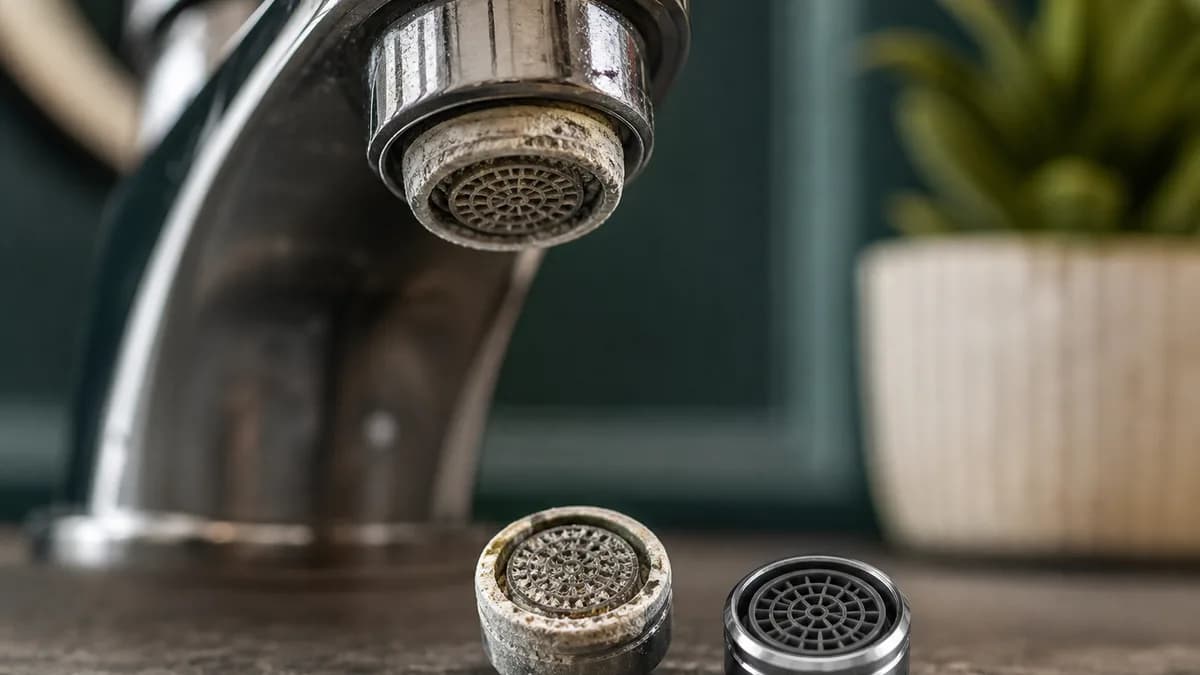
- Less limescale on heating surfaces and fittings. Use a method suitable for the finish and follow the maker's guidance. Heavy scale can hide worn seals, but aggressive acids can damage plating, stone and rubber components.
- Ongoing salt, water and servicing costs. Measure the result after the change and check that hygiene and usability remain acceptable. A saving that users work around is unlikely to last.
- Extra sodium in softened water and a need for a suitable drinking-water arrangement.
- Space, drainage and backflow-protection requirements. Compare more than one outlet and note whether the change is constant or demand-related. Avoid adjusting pressure controls until the incoming supply and system type are understood.
How to assess your own system
- Review meter readings after the change and adjust if performance or hygiene suffers.
- Measure current use or flow before choosing a product or setting a target.
- Repair leaks and running cisterns before reducing legitimate use.
- Check that the proposed fitting suits the pressure and hot-water system.
- Prioritise changes that are easy for everyone in the property to use consistently.
Common mistakes to avoid
- Buying fittings without checking system compatibility and replacement parts.
- Confusing low flow with low pressure without measuring either.
- Restricting flow so far that users run water for longer or cleaning is compromised.
- Connecting greywater to an outlet that could be mistaken for drinking water.
UK context and safety
Installation must comply with Water Fittings Regulations or the equivalent byelaws. Ask your water supplier for local hardness data before buying equipment.
Water-saving work must not compromise wholesome water, backflow protection, sanitation or hot-water safety. More complex rainwater and greywater systems need correct separation, labelling, overflow and maintenance arrangements in line with applicable UK requirements.
Prevention and ongoing care
A little planned care usually provides more value than repeated emergency intervention.
- Review savings seasonally because garden use and occupancy can distort comparisons.
- Read the meter regularly enough to recognise an unexplained change.
- Choose labelled, serviceable products that suit the system rather than the lowest advertised flow alone.
- Maintain aerators, shower heads, cistern valves and appliance filters.
Useful UK guidance
When to call PHD24
PHD24 can assess the plumbing, available space and expected benefit before installation.
PHD24 can measure flow, identify leakage and check whether proposed fittings or controls suit the property's pressure and hot-water arrangement. For reuse systems, design and compliance should be agreed before equipment is purchased.
Call promptly if water cannot be isolated, wastewater is entering the property, heat or hot water has failed in vulnerable circumstances, or the fault involves gas, wet electrics or a risk to the building. For a non-urgent visit, photographs and a short history help PHD24 plan the right first attendance.
Frequently asked questions
Can I deal with this myself?
Simple aerator, shower-head and behaviour changes can be DIY, but reused-water systems and alterations affecting backflow or hot-water safety need competent design.
What information helps before an engineer visits?
Share meter readings, measured flow where available, system type, occupancy pattern and the performance problem you want to solve.
Does American plumbing advice apply directly in the UK?
Not without checking it carefully. UK terminology, Building Regulations, water-company responsibilities, Gas Safe requirements and common system designs differ from US practice. Follow current guidance for the relevant UK nation and the equipment actually installed.