
Three Dishwasher Repairs a Confident Homeowner Can Attempt
Published by PHD24 · UK plumbing, heating and drainage guidance
Before arranging a repair, three low-risk checks can solve common dishwasher problems without opening the appliance.
Understanding the system shows which observations matter and where DIY should stop. The aim is not to turn every homeowner into an engineer, but to help you describe the installation clearly and make a proportionate next decision.
How to use this information
Manufacturer instructions matter because filters, reset procedures and cleaning methods vary. Homeowners should stay within user-maintenance tasks and keep hands away from blades, grinders and energised components.
Three checks worth trying
- Clean and refit the filter if washing is poor or water remains in the base. Use only the user-service procedure in the manual and isolate power first. Internal appliance repair may require a different specialist.
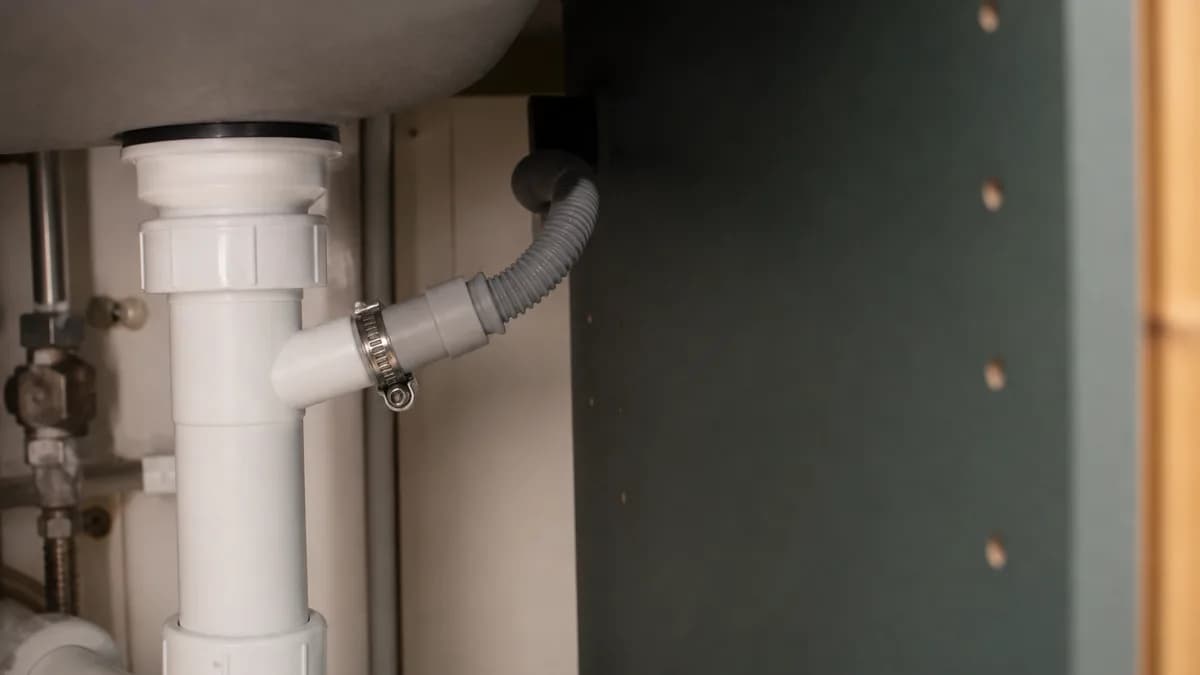
- Straighten the waste hose and clear an accessible sink spigot if drainage is slow. Look along the full length and at both connections. Bulging, abrasion, rust staining or a hose stretched tight behind an appliance justifies replacement before it bursts.
- Clean the door seal and remove debris that prevents the door closing evenly.
How to assess your own system
- Check the manual for user-accessible filters, reset steps and cleaning restrictions.
- Inspect hoses and the surrounding cabinet for kinks, bulges, loose connections and fresh water.
- Establish whether the sink or shared trap also drains slowly.
- Clean only removable user-service parts and never reach into a waste-disposal chamber.
- Run a supervised test after reassembly and stop immediately if leakage, noise or overheating returns.
Common mistakes to avoid
- Mixing chemical drain cleaner with mechanical clearing or appliance cleaning.
- Pushing an appliance back against a kinked or strained hose.
- Assuming a blocked shared trap is an internal appliance failure.
- Working on an appliance that is still connected to power.
UK context and safety
Switch off and unplug the dishwasher before cleaning. Internal electrical, pump and pressurised-water repairs are jobs for a competent appliance engineer.
Water and mains electricity are present together. Isolate the appliance using its proper control and do not rely only on an on-screen off button. Internal electrical or mechanical repairs belong with an appliance engineer or electrician; a plumber should handle the connected supply and waste where appropriate.
Prevention and ongoing care
A little planned care usually provides more value than repeated emergency intervention.
- Clean accessible filters at the interval in the manufacturer's instructions.
- Keep hoses supported, unkinked and protected from sharp cabinet edges.
- Use detergents and cleaning products intended for the appliance.
- Check connections after the appliance has been moved for flooring or maintenance.
When to call PHD24
If the problem is at the isolation valve, inlet connection or fixed waste, PHD24 can repair the plumbing safely.
PHD24 can test the accessible water supply, valves, traps and waste connections. If the fault lies inside the appliance, the evidence from that check helps the correct appliance specialist avoid repeating plumbing work.
Call promptly if water cannot be isolated, wastewater is entering the property, heat or hot water has failed in vulnerable circumstances, or the fault involves gas, wet electrics or a risk to the building. For a non-urgent visit, photographs and a short history help PHD24 plan the right first attendance.
Frequently asked questions
Can I deal with this myself?
Stay within the user-maintenance steps in the manual and isolate power. Internal appliance, electrical or moving-part repairs need the relevant specialist.
What information helps before an engineer visits?
Provide the make, model, fault code, point in the cycle, hose arrangement and whether the connected sink or trap also drains slowly.
Does American plumbing advice apply directly in the UK?
Not without checking it carefully. UK terminology, Building Regulations, water-company responsibilities, Gas Safe requirements and common system designs differ from US practice. Follow current guidance for the relevant UK nation and the equipment actually installed.