
Stored or Instant Hot Water? Comparing the Options
Published by PHD24 · UK plumbing, heating and drainage guidance
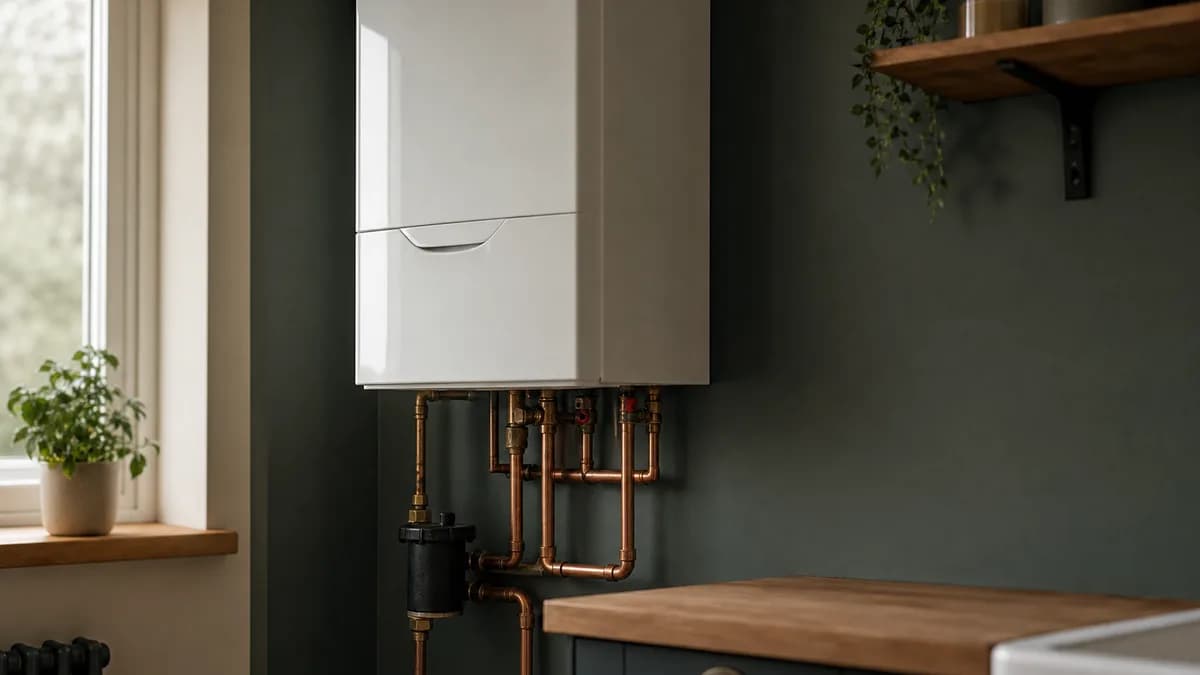
The UK choice is often between instantaneous hot water—commonly a combi boiler—and stored hot water in a vented or unvented cylinder.
Compare whole-life suitability rather than a headline feature or price. Capacity, compatibility, access, maintenance, safety and the condition of the existing services can all change the sensible choice.
Assess the whole installation
Heating systems combine water, controls, electricity and sometimes gas. Homeowners can observe symptoms and use normal user controls, but removing covers, altering safety devices or repeatedly repressurising a system without finding the cause can turn a modest fault into a larger one.
Instantaneous or stored?
- Instantaneous systems save cylinder space but have a finite flow rate. Compare more than one outlet and note whether the change is constant or demand-related. Avoid adjusting pressure controls until the incoming supply and system type are understood.
- Stored systems can serve several outlets but need space and reheating time. Compare the observation with the appliance manual and the behaviour of the rest of the system. Do not remove covers or alter safety controls to investigate further.
- Unvented cylinders depend on adequate mains flow and require specialist installation.
- Vented cylinders can work with lower-pressure arrangements but use a cold-water cistern.
- Heat pumps and solar inputs may favour well-designed storage. Follow the manufacturer's test method, keep clear of moving parts and verify the outcome rather than listening only for a motor. Wet electrical equipment needs competent attention.
A practical comparison process
- Identify the appliance and system type from the label, manual and presence of a hot-water cylinder.
- Note fault codes, gauge readings and exactly when the symptom appears before resetting anything.
- Check only normal user controls, programmed times and accessible isolation positions described by the manufacturer.
- Look for visible water, staining or discharge outside, but do not remove a boiler or cylinder casing.
- Compare heating and hot-water performance to establish whether the fault is system-wide or limited to one circuit.
Common mistakes to avoid
- Assuming every cold radiator needs bleeding; a cold bottom can indicate a different circulation problem.
- Using an unqualified person for work on gas appliances or safety controls on an unvented cylinder.
- Applying American tank-water-heater instructions to a UK boiler or cylinder arrangement.
- Opening appliance cases, altering combustion components or defeating a safety device.
UK context and safety
Compare peak demand, incoming services, heat source, controls and future plans—not product labels alone.
Work on a gas appliance or its flue must be carried out by a Gas Safe registered engineer who is qualified for that appliance category. Unvented hot-water cylinders also have safety controls that require appropriately competent work. If you smell gas, suspect combustion fumes or a carbon-monoxide alarm operates, leave the area, avoid switches or flames and follow the National Gas Emergency Service advice.
Prevention and ongoing care
Build maintenance and future repair access into the choice rather than treating them as afterthoughts.
- Check heating performance before winter rather than waiting for the first cold spell.
- Investigate small leaks, pressure changes and new noises while the system is still operating.
- Keep controls understandable and record any recurring fault codes or reset pattern.
- Use appropriate water treatment and system cleaning only after the cause and system condition are assessed.
Useful UK guidance
When to call PHD24
PHD24 can survey the property and size a hot-water solution around measured demand.
A heating or hot-water visit should identify the system type, reproduce the symptom where possible and distinguish a control, hydraulic, electrical or appliance fault. That evidence lets the engineer explain whether adjustment, repair, cleaning or replacement is proportionate.
Call promptly if water cannot be isolated, wastewater is entering the property, heat or hot water has failed in vulnerable circumstances, or the fault involves gas, wet electrics or a risk to the building. For a non-urgent visit, photographs and a short history help PHD24 plan the right first attendance.
Frequently asked questions
Can I deal with this myself?
You can check normal controls and record fault information. Do not remove appliance covers or work on gas, combustion or unvented-cylinder safety components.
What information helps before an engineer visits?
Have the appliance make and model, system type, fault code, pressure reading and a note of whether heating, hot water or both are affected.
Does American plumbing advice apply directly in the UK?
Not without checking it carefully. UK terminology, Building Regulations, water-company responsibilities, Gas Safe requirements and common system designs differ from US practice. Follow current guidance for the relevant UK nation and the equipment actually installed.