
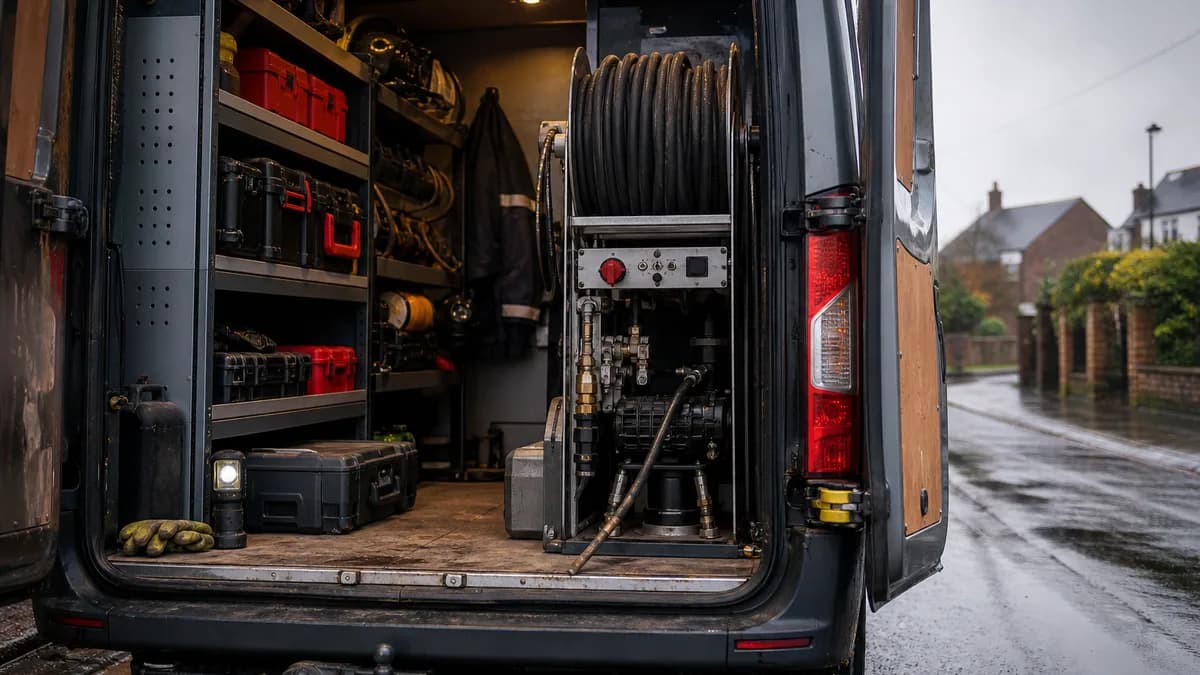
How PHD24 Gets Ready for Peak Emergency Demand
Published by PHD24 · UK plumbing, heating and drainage guidance
Busy emergency periods are handled best through preparation: knowing likely risks, placing engineers and equipment sensibly, and keeping customers informed when demand changes.
Understanding the system shows which observations matter and where DIY should stop. The aim is not to turn every homeowner into an engineer, but to help you describe the installation clearly and make a proportionate next decision.
How to use this information
Brand recognition is useful only when it is supported by safe work and consistent communication. Customers remember whether the engineer arrived prepared, explained the scope and left a clear record more than they remember a slogan.
What good preparation involves
- Monitor severe-weather warnings and historic call patterns. Make the expectation, owner and evidence clear. Consistency matters more than a one-off promise.
- Check jetting, pumping, leak-control and safety equipment before shifts. Dry the area first, then check it again under normal operating conditions. The timing and first point of fresh moisture are more useful than the final spread of the stain.
- Triage active flooding, sewage and uncontrolled leaks first.
- Confirm access, isolation details and vulnerable occupants when booking. Operate it gently and confirm that flow actually stops; a seized or passing valve should be repaired under controlled conditions, not forced during an emergency.
- Communicate realistic arrival windows and update customers promptly.
How to assess your own system
- Capture the location, affected service and immediate safety risk accurately at first contact.
- Give only safe isolation advice that matches the information available.
- Send an engineer with the competence and likely equipment for the reported fault.
- Confirm what has been made safe, repaired or left for follow-up before leaving site.
- Record parts, photographs and recommendations so the next visit starts with evidence.
Common mistakes to avoid
- Sending general labour to work that needs specific gas, electrical or drainage competence.
- Leaving the customer without a clear description of isolation and next steps.
- Using community stories or branding claims that cannot be supported by current practice.
- Promising an exact diagnosis or price before the relevant evidence is available.
UK context and safety
Preparation supports faster attendance but cannot remove travel, weather and demand constraints. Immediate threats to life require the emergency services.
Emergency communication should never encourage an occupier to enter floodwater, touch wet electrics, dismantle a gas appliance or force a dangerous isolation. Where another emergency service or network operator is responsible, the call handler should direct the customer appropriately.
Prevention and ongoing care
A little planned care usually provides more value than repeated emergency intervention.
- Use consistent job notes, photographs and customer handovers.
- Turn recurring call-out causes into preventive guidance for customers.
- Check marketing claims against the service actually available.
- Keep vehicles, test equipment and common isolation parts ready for the service area.
When to call PHD24
PHD24 operates 24/7 across East Sussex and the South of England; call 0800 208 4999 for urgent assistance.
PHD24's value is the combination of 24/7 response, local knowledge and the ability to coordinate plumbing, heating and drainage faults. The job record should make clear what was diagnosed, what was completed and what—if anything—still needs attention.
Call promptly if water cannot be isolated, wastewater is entering the property, heat or hot water has failed in vulnerable circumstances, or the fault involves gas, wet electrics or a risk to the building. For a non-urgent visit, photographs and a short history help PHD24 plan the right first attendance.
Frequently asked questions
Can I deal with this myself?
Customers can isolate an accessible water valve when safe and provide evidence. Diagnosis and regulated work should be handled by the appropriate professional.
What information helps before an engineer visits?
Give the exact location, immediate risk, affected service, available isolation and any photographs or previous job reference.
Does American plumbing advice apply directly in the UK?
Not without checking it carefully. UK terminology, Building Regulations, water-company responsibilities, Gas Safe requirements and common system designs differ from US practice. Follow current guidance for the relevant UK nation and the equipment actually installed.